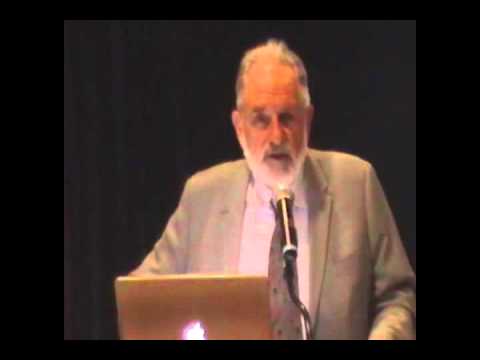
Abstract: The Centennial of the Armenian Genocide is an appropriate moment to assess its place in the long-term trajectory of Armenian history. Such an important endeavor never was undertaken, since a coherent and internally consistent periodization of Armenian history has not been developed yet. The existing periodizations are either based on sequences of ruling dynasties and cycles of foreign dominations, or the Stalinist periodization of five social-economic formations, or on an eclectic combination of obsolete concepts, or on a mechanistic application of global periodizations to Armenian historic realities. Scientific periodizations of histories are critically important not only to understand the causality of past events and processes, but also to model the future, because each and every major period develops societal qualities, factors, and characteristics that cause changes in subsequent periods.
This intellectual imperative prompted the presenter of this talk to develop a new macro-periodization of Armenian history based on two premises:
(a) any periodization of Armenian history must be based on data pertaining to the Armenian experience;
(b) because each period, by definition, displays systemic characteristics, system theories and system analysis are indispensable for developing periodizations.
The application of these premises to the currently available data allows for an identification of five macroperiods in Armenian history beginning from 3500 BCE and continuing through the present:
(1) ca 3500 – 820 BCE — the macroperiod of continuous reproduction of cultural specificity by the complex societies of the Armenian Highland;
(2) ca 820 BCE – 34 BCE — the macroperiod of empires that originated in Armenia (Empire of Van, i.e. Urartu, and Artashesian Empire);
(3) 34 BCE – 1071 CE — the macroperiod of borderland centrality that created two major phenomena still impacting the Armenian life today: the construction of the Armenian national identity, and the development of socio-political behavior;
(4) 1021 CE – ending currently in the present — the macroperiod of diasporization with several features such as attempts to conquer a new homeland, the eventual disappearance of Armenian diasporic communities conditioned by the laws of social entropy, and the Armenian Genocide of 1915 as the climax of diasporization;
(5) 1828 – foreseeable future — the macroperiod of recreating the Armenian nation-state under specific conditions of globalization.
The Armenian success will be measured by the ability to balance the preservation of ethno-national identity and sociopolitical and economic achievements within the process of globalization. The current super-challenge facing the Armenian community of Southern California is to evolutionarily transform this diasporic community into a major hub of the global Armenian network.
Gregory E. Areshian received his Ph.D. from the Saint-Petersburg (formerly Leningrad) Institute of Archaeology of the Academy of Sciences of the USSR. He directed the excavations of several archaeological sites and participated in other archaeological field projects in Armenia, Syria, Georgia, Egypt, and Central Asia. He is the author of more than 130 publications mostly on Near Eastern, Armenian, and Caucasian history and archaeology from Late Prehistory to the Modern times, and also social theory. He authored and edited four books. During the late 1970s and 1980s Dr. Areshian served as a Professor of Archaeology and History at Yerevan State University, the First Vice-President of the Department of Antiquities of the Republic of Armenia, and as the Associate Director of the Institute of Archaeology and Ethnology of the Academy of Sciences of Armenia. In 1991 – 92 he served as the Deputy Prime Minister in the first government of the independent Republic of Armenia. In 1993 he was invited as a Visiting Professor to UCLA, and, after moving to the USA, he taught at the University of Wisconsin, and the University of Chicago. He served as the Director of the Armenian Research Program of the Cotsen Institute of Archaeology at UCLA. Since 2007 he co-directs the Dvin and Areni UCLA Joint Projects in Armenia and continues participating to the Mozan-Urkesh Project in Syria. His principal area of interest is the anthropological history of Armenian, Iranian, and Mesopotamian civilizations from Prehistory to the Modern times. Other areas of his current research include social complexity, interdisciplinary study of imperialism, interactions between pastoral nomads and sedentary civilizations in the Near East and Eurasia, archaeology of Global Warming, and the interdisciplinary (archaeological-linguistic-art historical) reconstruction of Ancient Near Eastern, Indo-European, and Classical mythology.
source
- Armenian Movies
- News & Community
- Travel, Food & Events
- Culture, Arts & Heritage
- Business & Finance
- Media
- About
- Imastun
- Deals Xaraxura Store
Subscribe to Updates
Get the latest creative news from FooBar about art, design and business.
Trending
- Secretary Wright Joins Fox Business’ Maria Bartiromo – September 29, 2025
- JP Morgan атакует Биткоин 🚨 Дебанкинг руководителей и удар по Microstrategy
- Roma Karapetyan (Стоп кадр)(Гори двух сторонка) 05,06,2019
- Царь России 2025 – Всё о том каким он будет💪🙂 (часть 2) Пелагея Рязанская, предсказания (29.09.2025)
- ՀՀ–ն մղձավանջը փորձում է կախել ԵՄ–ի վրա․ Թրամփը վախենո՞ւմ է․ Պուտինը սեպ է խրում ԱՄՆ և Եվրոպայի մեջ
- Armenian Cherries 🍒 ԲԱԼ
- Paul Baghdadelian ((Asgharum sirel em qez))
- Komitas & Friends—Armenian Music Then & Now


It’s Time to Shine!
Stay Connected,
Stay Informed!
Stay Connected,
Stay Informed!